
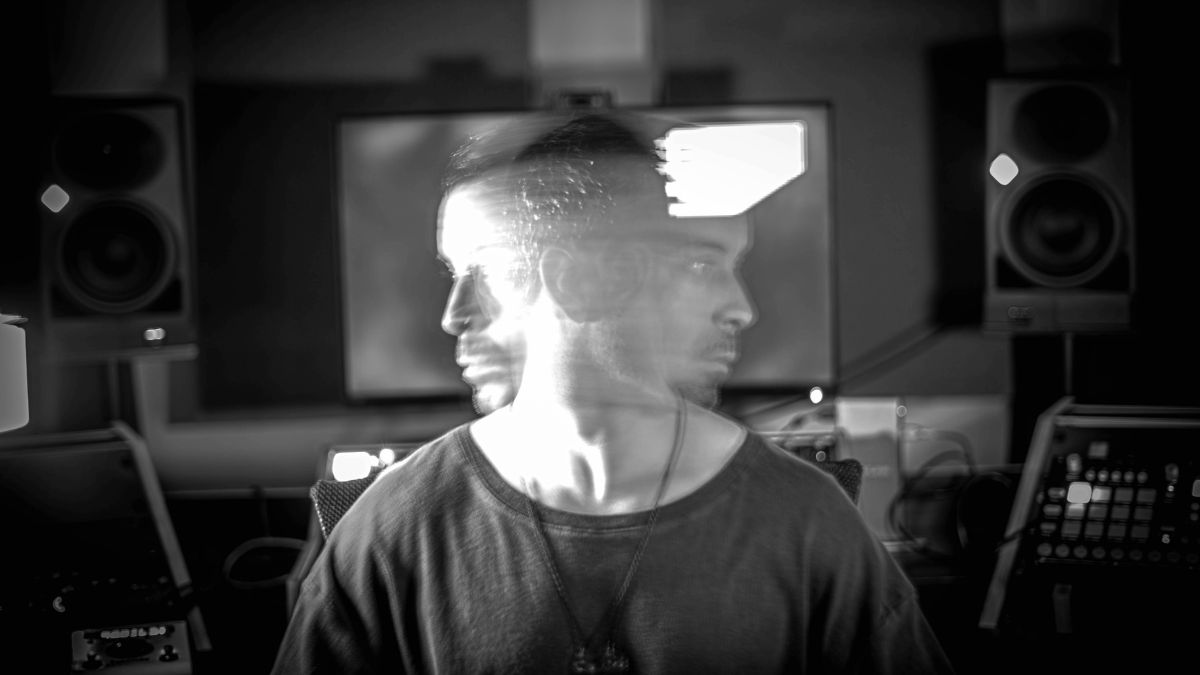
For many artists, an album is simply a collection of tracks. For JP Posada, Transformación is something deeper. It’s a sonic reflection of a personal and artistic journey that unfolded over more than two years.
Created during countless hours in the studio, the album gradually revealed itself as a cohesive body of work shaped by introspection, philosophy, and emotional exploration. Rather than chasing trends or algorithm-friendly releases, Posada turned inward, allowing meditation, symbolism, and lived experiences to guide the music. The result is a record that moves between dancefloor energy and moments of quiet reflection. See it as an invitation to slow down and listen with intention.
From Nordic runes used as creative guides to the meditative atmosphere embedded in tracks like “You Know You Are”, Transformación explores the idea that music can be more than entertainment: it can be a mirror.
In this conversation with Tanzgemeinschaft, JP Posada reflects on the inner shifts behind the album, the importance of silence and symbolism in his process, and why authenticity matters more than ever in today’s fast-moving electronic music landscape.
The full album (including vinyl) release is foreseen around August 14. In the meantime, singles will be released before that date. ‘You Know You Are” & “Temis” have been released so far. Check them out below.
Connect with JP Posada on Soundcloud / Instagram / Spotify
Pre-order Transformación on vinyl or CD via ElasticStage.
(check out the fantastic feedback here)
The album is titled Transformación. What personal or artistic shift does this title reflect for you?
Transformación reflects a deep process of inner change, both on a personal and artistic level. Through music production, I found a space to express my emotions and inner states, and to give form to different personal transformations I was experiencing.
Artistically, Transformación marks the closing of a chapter that lasted more than two years. Spending countless hours in the studio, there was a moment when I realised I had an album in front of me, something real to work with and share. That realisation helped me step out of the need for constant external validation and truly value my own work.
That inner transformation also allowed me to redefine how I want to stand within the music industry. It gave me clarity to choose my own path, align with my values, and move forward with a stronger sense of independence and intention.
Each track carries a philosophical or spiritual meaning. Did you write the music around those themes, or did the interpretations come later?
From the very beginning, the music was written with those themes in mind. The first track I started working on was El Valle de la Luna, and with it, I made a conscious decision to create music around a pre-established concept. That approach allowed me to translate the emotions and ideas I was carrying into sound.
Over time, this process became a habit. Each time I began a new track, I already had a clear sense of direction and intention. The music became a way of interpreting the personal moment I was going through, rather than adding meaning afterwards. The concepts were there from the start, guiding the creative process.
There’s a clear arc from Temis to Transformación. Was the track order intentional to reflect an inner journey?
In reality, I wasn’t consciously working on an album at first. Toward the end of the year, I decided to sit down and listen to all the tracks I had created over the previous two years. Hearing them together was a turning point. I suddenly realised that I had an album, and not only that, but that there was a musical and even spiritual coherence running through almost an hour of music.
That moment was a major realisation for me. It made me aware that there was something complete, something meaningful, ready to be shared. From there, I decided to add one final track, Transformación, which gives the album its title and serves as a closing point for the journey.
This release turns inward, resisting the fast pace of today’s image-driven culture. Was that a conscious counterstatement?
As I mentioned before, while I was producing and composing the tracks, I wasn’t consciously thinking about making an album. That inward movement wasn’t planned as a statement, but it was something I was feeling deeply and expressing through the music in an intuitive, almost unconscious way.
There was a growing discomfort with the pace of today’s image-driven culture, where appearance often seems to matter more than the music itself, and where fewer and fewer people take the time to sit down and listen to a full album. In that sense, Transformación becomes a quiet declaration, an invitation to look inward, to slow down, and to reconnect with listening as an introspective experience.
That same intention guided many of my decisions, both musically and in the way I chose to present the album. Some of those choices go against the logic of algorithms imposed by social media and platforms, prioritising coherence, depth, and meaning over immediacy or visibility.
What role does silence or space play in your creative process? The album feels meditative, almost ritualistic.
Silence and space play a fundamental role in both my creative process and my life. The creation of this album coincided with a period when I began to take meditation seriously, along with the importance of recognising and understanding our emotional states.
Meditation became a key tool and a daily practice for me. It helps me stay creative and motivated, while also allowing me to identify what I’m feeling and translate those emotions into my chosen form of expression, which is music. That sense of space and presence naturally found its way into the sound of the album.
This connection is also very literal in one of the tracks. You Know You Are includes vocal recordings from one of my meditation guides, further reinforcing the meditative and ritualistic dimension of the project.
You’re releasing a vinyl edition with 6 selected tracks. How did you decide what made the cut for that format?
It was a difficult decision, because I truly feel that every track plays an important role in the album as a whole. Each piece represents a different moment within the journey, so narrowing it down wasn’t easy.
When it came time to choose, I relied on feedback from close friends and respected producers whose opinions I trust deeply. In many cases, there was a clear consensus that these particular tracks were the most representative of the album’s essence, and that they translated especially well to the vinyl format.
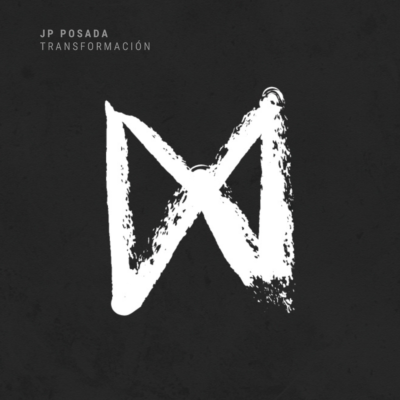 | JP Posada – Transformación The full album release is foreseen on August 14. Pre-order Transformación on vinyl or CD via ElasticStage. (check out the amazing feedback here) In the meantime, singles will be released ahead of the full release. Check it out. |

Visually, the artwork and runes evoke mysticism. How important is visual identity in communicating the essence of your work?
Visual identity is extremely important to me, especially when working with an album as a concept. I see the project as a whole, where sound and visuals speak the same language and transmit the same essence through different forms.
The Nordic runes, in particular, have been part of this project since the very beginning. They were a gift from someone very special, who supported me deeply throughout this process and helped me think more consciously about concept and meaning. Before starting to compose a track, I would often draw a rune and keep it with me during the entire studio session. Coincidence or not, it would almost always resonate with the personal moment I was going through at the time.
In that sense, the visual world doesn’t just illustrate the music it expands it, offering another layer of meaning and connection.
What kind of listening environment do you imagine for Transformación?
I’ve always imagined Transformación as an album that can be both danceable and deeply introspective. From a production standpoint, finding that balance is a challenge, but it was always a central intention, creating music that moves the body while also inviting inner reflection.
I had the opportunity to present the album live in Barcelona in August 2025, in an intimate, Boiler Room style setting, where I played the album in its entirety. Seeing people gradually enter the music and transform it into movement was incredibly powerful. When the set ended, the feedback consistently revolved around rhythm and emotion. That moment confirmed the vision behind the album and became one of the most meaningful experiences of my career.
This is a bold, intimate release. Do you feel vulnerable putting something so reflective into the world?
Not really. For most of my life, I’ve felt vulnerable when exposing myself directly. Music became the space where I found a different way to express what I’ve always wanted to say.
Through sound, I can communicate in a more subtle way through layers, symbols, and what I see as encrypted messages. They’re not meant for everyone, only for those who are open to receiving them. In that sense, sharing something so reflective doesn’t feel like exposure, but like a quiet form of connection.
What do you hope people take away after listening to Transformación from beginning to end?
Above all, I hope listeners can feel the sense of identity that runs through the album and recognise how music can be a form of true self-expression. Not driven by the pursuit of perfection or fame, but by the need to express something real. If Transformación leaves anything behind, I hope it’s the understanding that music can be an honest reflection of who we are at a given moment, a space where expression matters more than expectations, and authenticity becomes the message.
Thank you.
JP Posada – Transformación
The full album release is foreseen on August 14.
Pre-order Transformación on vinyl or CD via ElasticStage.
(check out theamazing feedback here)
In the meantime, singles will be released ahead of the full release. Check it out.