
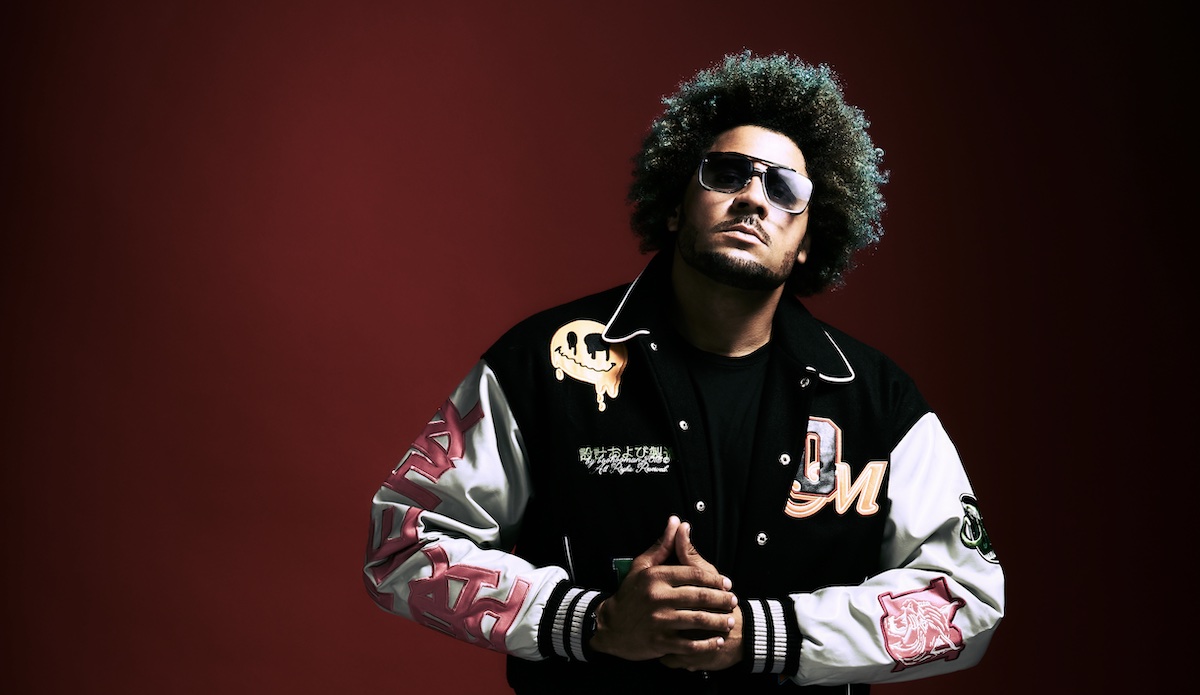
Fresh off shaping the sound of Kylie Minogue’s chart-topping albums and co-writing Doja Cat’s global smash “Boss Bitch,” platinum-selling producer Sky Adams is now bringing his hit-making instincts to Olly Murs’ eagerly anticipated eighth studio album. The pair’s first outing, the ska-flavoured single “Save Me” – already a Top 10 airplay hit in the UK – captures the cheeky charm of Murs’ early work while injecting a bold, modern energy. As Adams continues to prove himself one of the most versatile producers of his generation, we caught up with him to talk about the creative spark behind their collaboration, the challenge of balancing nostalgia with innovation, and how his global background shapes the future of pop.
What drew you to working with Olly Murs on this new album, and how did the creative process between you two take shape?
The same A&R who I had the pleasure of working with on Kylie’s album introduced me to Olly. From the moment we started, there was an immediate spark. I always felt Olly’s vocals naturally lent themselves to a reggae-ska feel, so after a few songs together the sound came together quite organically.
The single “Save Me” has a ska-infused, brass-driven sound that feels both nostalgic and fresh. How did you and the team land on that sonic direction?
It really came from listening to how Olly’s voice blended with different textures. That reggae-ska edge gave it warmth and energy, but we made sure to elevate it with a modern polish so it felt classic yet fresh at the same time.
You worked alongside Edward Drewett and James New on “Save Me.” How do you approach collaboration when you’ve got multiple strong writers in the room?
For me, collaboration is about reading the room and understanding each writer’s strengths. Once you know what everyone brings to the table, you can guide the process so those strengths feed into the artist’s sound in the most authentic way.
You’ve spoken about wanting to capture “classic Olly energy” while giving it a modern twist. Can you break down how you blended those two elements in practice?
The key was making sure every song had meaning—something Olly himself could connect with and that listeners could relate to. With that emotional foundation in place, we had the freedom to experiment sonically and introduce new elements while keeping his signature energy intact.
You’re known for bridging pop, dance, electronic, and R&B. Did Olly’s album push you in any new directions musically that surprised you?
Yes—this was the first time I really immersed myself in this particular style. The challenge was to make it feel big and authentic without tipping into something cheesy. That pushed me creatively in a new way, and it was exciting to find that balance.
Your catalogue is both versatile and commercially successful. How do you maintain your own creative fingerprint while tailoring your sound to each artist?
Every artist has their own story to tell. My job is to make that story shine while weaving in a recognisable through-line in the production. It’s about striking the balance between a consistent fingerprint and a unique identity for each artist.
You’ve worked with icons from Kylie Minogue to Doja Cat. What lessons from those collaborations carried into this project with Olly?
The biggest lesson is to fully immerse yourself in the artist’s world. Once you understand their perspective, you can bring your own point of view in a way that feels authentic to them and elevates the music.
With over 4 billion streams to your name, how do you personally define success at this stage of your career?
For me, success is being able to make a living off doing what I love—travel the world, meet incredible people, and create music that connects. Everything else flows from that.
As an African-German producer working between London and Miami, how does your background influence your sound and your approach to global pop music?
My African heritage gives me a natural sense for rhythm and urban influences, while my German side brings efficiency and precision. London is an incredible hub for cutting-edge artistry, and Miami is a cultural melting pot that encourages experimentation. Together, those influences shape a sound that’s global and versatile.
Beyond Olly’s album, what sounds or trends are exciting you most in pop right now, and where do you see yourself pushing boundaries next?
I’m always looking for new sounds that excite me. Because I work across so many genres, I’m constantly switching hats depending on the project. One thing I’m especially excited about is my virtual band, Ghosts on a Beach. We’ve been developing it for the past three years, and now we’re finally getting ready to release music. That project really lets me push boundaries and experiment in ways that I can’t always do in traditional collaborations.