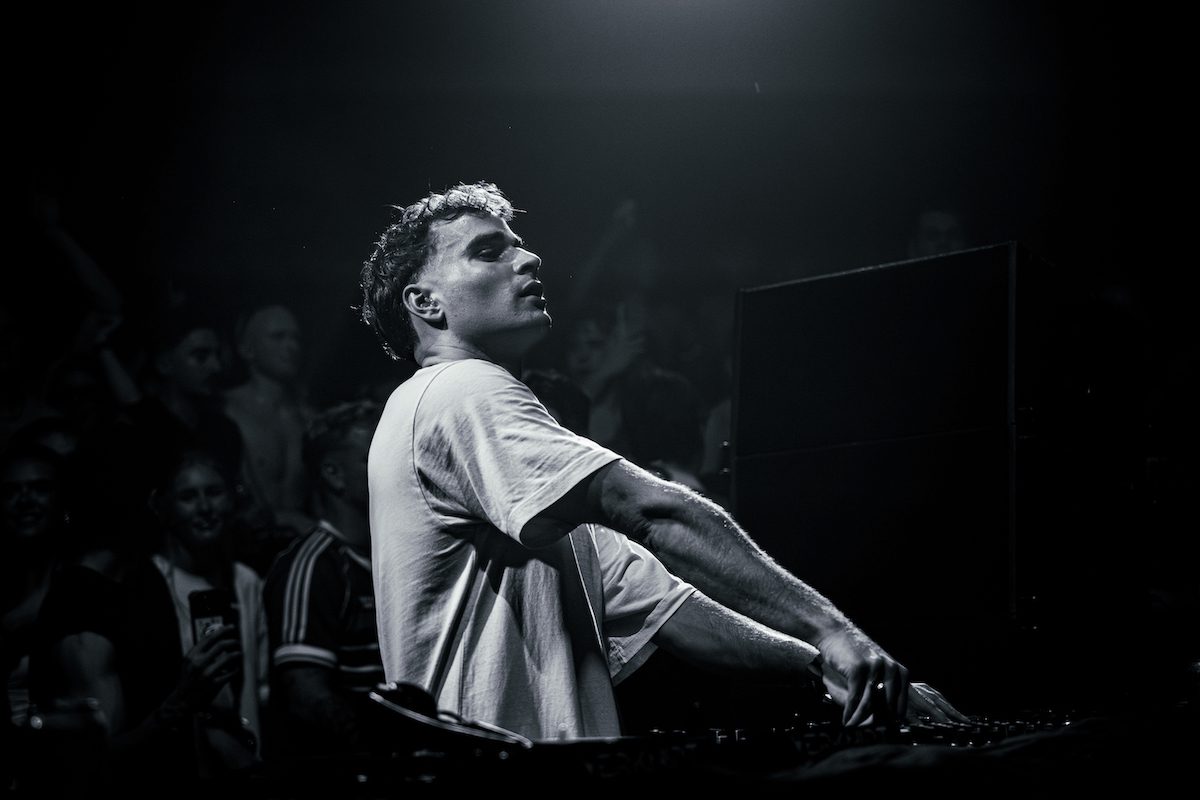
Speed has always been part of techno’s DNA, but in recent years it’s accelerated into something more visceral; less about endurance, more about release. A new wave of artists is pushing BPMs into territory where intensity becomes immersive, dissolving the boundary between physical movement and emotional response. Within that landscape, KLOFAMA has carved out a sound that doesn’t just chase momentum, but shapes it. Precise, driving, and deliberately overwhelming in the best sense.
Through projects like his new label Chrome Print Records and the growing PROTOCOL platform, his vision extends beyond the DJ booth. There’s a clear focus on identity, cohesion, and community, where aesthetic, sound, and shared experience all feed into the same ecosystem. Rather than reacting to trends, KLOFAMA operates from a place of instinct, refining a language that balances raw energy with structure and intention.
Ahead of the launch of Chrome Print Records this Friday, KLOFAMA reflects on the emotional pull of high-BPM techno, the pressures of a fast-moving scene, and the challenge of building something that lasts—both on and off the dancefloor.
Hi Mats, thanks for your time. We’re really excited to talk to you!
Thanks, great to be here!
Your sound clearly sits on the higher BPM side of techno. What draws you to that intensity, and what does it evoke emotionally that lower tempos don’t?
That higher BPM just gives a certain energy you don’t get at a lower tempo. It keeps pushing forward constantly, it keeps hitting hard. That intensity makes people let go of everything and really be in the moment, that feeling is very powerful to me.
In recent years, there’s been a rise in harder, faster techno. Do you see yourself as part of that movement, or are you reacting to it?
I definitely see myself as part of it. When I started, I was already playing around 160 BPM, and that’s still where I feel most at home. At the same time, you see new artists pushing it even further, so it keeps evolving.
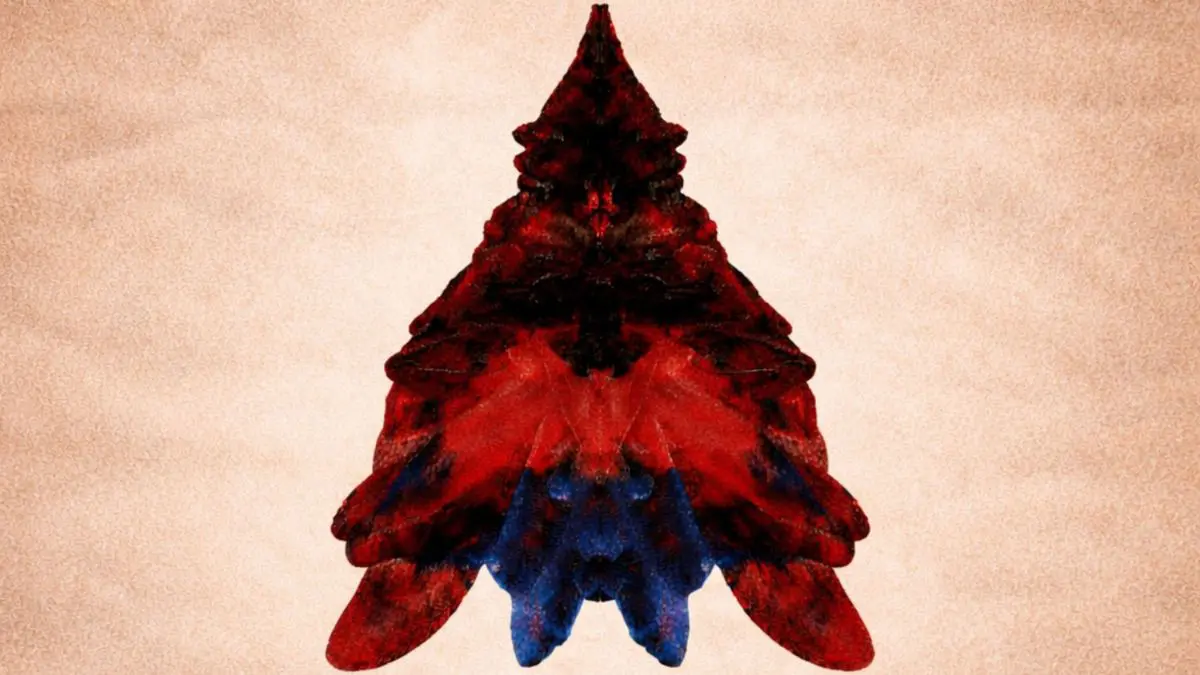
Chrome Print Records suggests a strong visual and sonic identity. What does that name mean to you conceptually?
The name also connects to the identity I’m building with PROTOCOL. We often work with white as a dress code there, something neutral but still powerful. Chrome has that same feeling for me: clean and minimal, yet very strong and recognizable.
Thinking long-term, how do you avoid getting stuck in one tempo or moment within the scene?
By continuing to innovate and staying open to developments in the scene. You have to look at what’s happening and respond to it, but always stay close to your own sound and identity. That’s ultimately the most important thing.
Your sets are often described as relentless. How consciously do you work on structure and storytelling when everything is so high-energy?
That also depends on how long the set is. If I’m playing for an hour, it’s often straight intensity with less room to really build. But in longer sets, like All Night Long, you can tell much more of a story and gradually build the energy toward certain peak moments.
PROTOCOL is growing beyond just events. What kind of cultural space are you trying to create around it?
PROTOCOL is about more than just music or events. It’s about a sense of equality and connection. Everyone is part of the same whole, artist and crowd aren’t separate. We’re really trying to build a community where that energy and identity come together.
Do you feel pressure to keep pushing intensity further in your productions and DJ sets due to audience expectations?
Yeah, that pressure is definitely there. The audience constantly expects new things, and with social media everything moves faster. People have less patience, if you play a track once, they almost expect it to be released immediately. That can be challenging at times.
How do you distinguish between music that is functional for the dancefloor and music with more lasting artistic value?
For me, it’s mainly in the structure and emotion. With longer, more euphoric breaks, you can really build tension and take people on a journey before the drop hits. That creates more impact than just pure energy. My sets often work in waves with peak moments, and that’s where that difference lies.
What role does control currently play in your career? Is launching your own platform about freedom, responsibility, or both?
It’s definitely both. You get more freedom to express your own vision, but at the same time, more responsibility comes with it. For example, in how you give artists a platform and make sure they get the credit they deserve.
Looking ahead, what would evolution sound like for you, beyond just going harder or faster?
For me, that evolution is mainly about emotion. I want to bring more feeling into my music and truly connect with people. Not everyone feels good all the time, and if you can evoke certain emotions through music and take people along with that, you create a much stronger experience than just going harder or faster.
KLOFAMA – Locked & Loaded will be released on May 1 via Chrome Print Records: https://fanlink.tv/CHROME001