
As the festival season kicks into gear, Paradise City Festival continues to prove that sustainability and exceptional experiences can go hand in hand. Taking place from June 26 to 28 at the picturesque Kasteel Ribaucourt in Steenokkerzeel, the Belgian electronic music festival has built a global reputation not only for its carefully curated lineups but also for its commitment to reducing its environmental footprint.
For its eleventh edition, Paradise City is introducing a series of new initiatives and measurable improvements across waste management, energy consumption, mobility, food, and community engagement. Rather than treating sustainability as a side project, the festival has made it a core part of its identity.
Reusable Tents Replace Single-Use Camping Waste
One of the most notable changes this year can be found at the campsite. In recent years, abandoned party tents have become a growing issue across festivals worldwide, often ending up as waste after a single weekend.
To tackle this challenge, Paradise City has partnered with KBC to introduce a fleet of reusable party tents available through a deposit system. Festival-goers can reserve a tent in advance, use it throughout the weekend, and receive their full deposit back when returning it in good condition. The tents are then cleaned and prepared for future editions.
The initiative represents one of the largest real-world tests of reusable festival camping infrastructure to date and has already proven popular, with nearly all available tents reserved ahead of the festival.
A 100% Plant-Based Festival Menu
Since 2025, Paradise City has served a completely plant-based menu, including artist and crew catering. More than twenty food vendors will once again offer meals designed to minimise environmental impact while maintaining variety and quality.
Visitors can expect everything from falafel wraps and bánh mì sandwiches to mushroom burgers, flatbread pizzas, and loaded fries. The festival works closely with food partners to calculate and reduce the carbon footprint of every dish served.
This commitment has earned Paradise City international recognition, including multiple Greener Catering Awards from A Greener Future.
Renewable Energy at the Heart of Operations
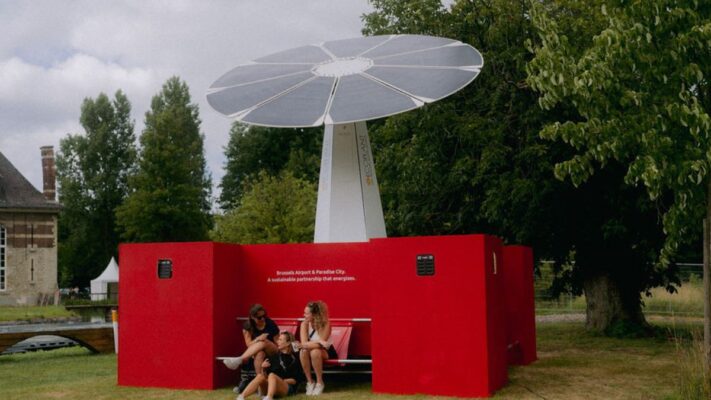
Paradise City continues to invest heavily in renewable energy solutions. Through its partnership with Eneco, the festival combines solar energy, battery storage, and green grid electricity in a smart energy network that helps balance supply and demand throughout the weekend.
In 2025, more than half of the festival’s energy consumption came from renewable sources. The number of solar panels reached a record high, while biofuel usage was significantly reduced compared to previous years. The festival’s production areas now operate entirely on a fixed green power connection.
These investments demonstrate how large-scale events can reduce dependence on fossil fuels without compromising production quality.
Reducing Water Consumption Through Innovation
Water management remains another important focus area. Through a combination of vacuum toilets, water-saving infrastructure, and greywater recycling systems, Paradise City has significantly reduced overall water consumption.
Shower water from the campsite is filtered and reused for toilet flushing, while chemical-free compost toilets continue to be expanded across the site. These measures not only reduce water usage but also help create a more circular approach to resource management.
Sustainable Travel to the Festival
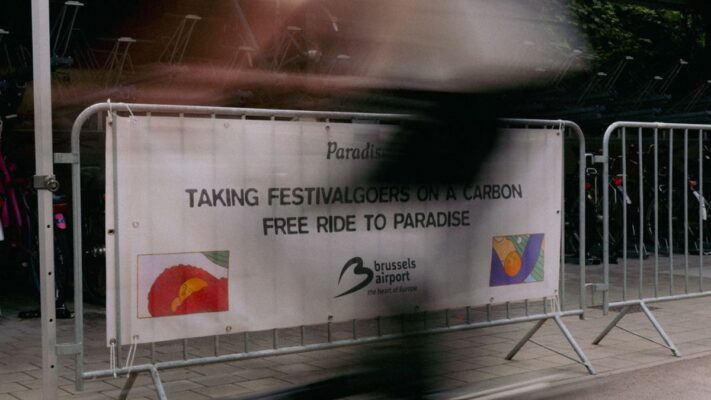
Mobility often represents one of the largest sources of emissions associated with festivals. Paradise City continues to encourage visitors to travel by train, bicycle, or public transport.
This year, the festival is expanding its night train offering, providing additional connections to major Belgian cities after each festival day. Free electric shuttle buses will once again run between Vilvoorde station and the festival site, while secure bicycle parking remains available for those choosing to cycle.
The goal is clear: make sustainable travel the easiest option for visitors.
A Long-Term Climate Commitment
Beyond individual initiatives, Paradise City has committed itself to a broader sustainability roadmap. In 2025, the festival aligned with the Science Based Targets initiative (SBTi), committing to significant greenhouse gas reductions by 2030 while continuing to monitor and reduce emissions throughout its operations and supply chain.
This commitment requires ongoing measurement, transparency, and continuous improvement year after year.
Supporting the Local Community
Paradise City’s sustainability efforts extend beyond the festival grounds. Through the 1820 Fund, a portion of every ticket sold contributes to projects in Steenokkerzeel and the surrounding region.
One of the latest initiatives saw the installation of 67 solar panels on a local primary school, helping reduce energy costs while supporting the community’s transition toward renewable energy.
Diversity Beyond the Dancefloor
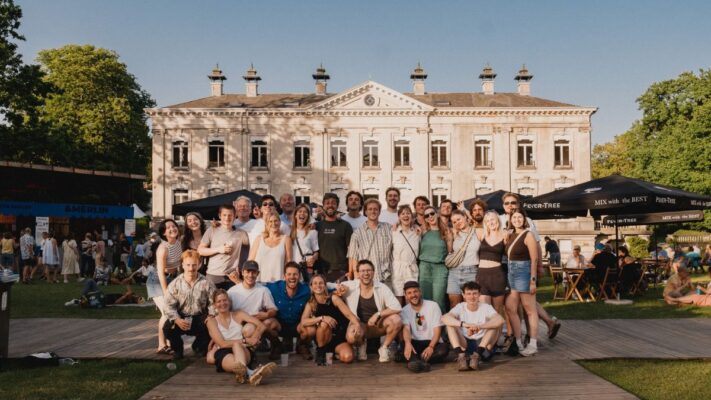
For Paradise City, sustainability also includes social responsibility. Women play key leadership roles across production, operations, partnerships, finance, and stage design.
The festival’s 2026 lineup reflects that same philosophy. For the first time, female solo acts outnumber male solo acts, creating a lineup that more accurately represents the diversity of today’s electronic music scene.
Setting a New Standard for Sustainable Festivals
While many festivals have started introducing greener initiatives, Paradise City continues to distinguish itself through measurable action and long-term commitment.
From reusable camping solutions and plant-based catering to renewable energy investments and community projects, the festival offers a glimpse into what the future of live events can look like.
As the 2026 edition approaches, Paradise City remains a compelling example of how sustainability is no longer a compromise. It’s an opportunity to build better festivals for artists, audiences, and the planet alike.
Read more about the full line-up here.